
Functional lab testing
You’ve been told your blood tests are normal, yet you still don’t feel like yourself.
Maybe it’s the bloating that won’t settle. The IBS you’ve learnt to ‘just live with’. The acne that keeps coming back. The PMS that drains you for a whole week every month. Or a combination of symptoms that never seems to have a clear explanation.
You’ve tried changing your diet, taking supplements and following advice, but you’re still left symptomatic and wondering what you’ve missed.
Functional testing can provide additional information to help us understand your health in more detail and decide where your nutrition and lifestyle efforts may be best focused.
Not sure which test is right for you?
Book a discovery call to talk through your symptoms and find out whether testing could be useful for you.
What is functional lab testing?
Conventional laboratory testing is primarily designed to diagnose disease, identify deficiencies, and rule out serious medical conditions. Functional lab testing takes a different approach. Rather than asking, “Do you have a disease? “, it asks, “How well is your body functioning? “
Functional testing goes beyond guesswork and symptom management. It gives us deeper insights to create a more targeted health plan, so you can stop trying everything and start focusing on where you’re going to see progress.
skip to:
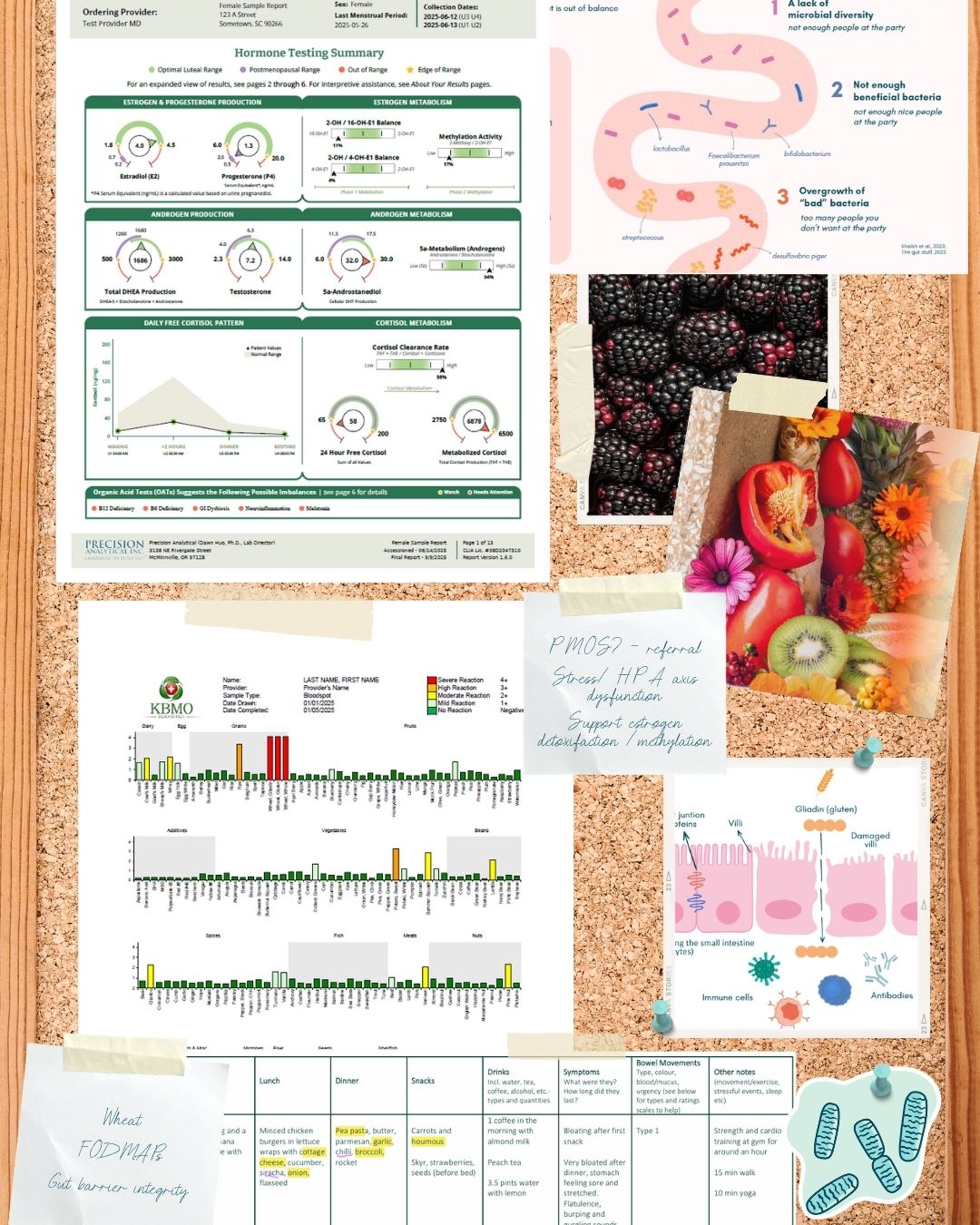
Some of the labs I work with







Gut health testing
Your gut does far more than simply digest food. It plays a central role in nutrient absorption, immune function, influences hormone regulation, inflammation, mood and skin health.
When the gut microbiome is out of balance, symptoms can show up throughout the body, not just in the digestive system.
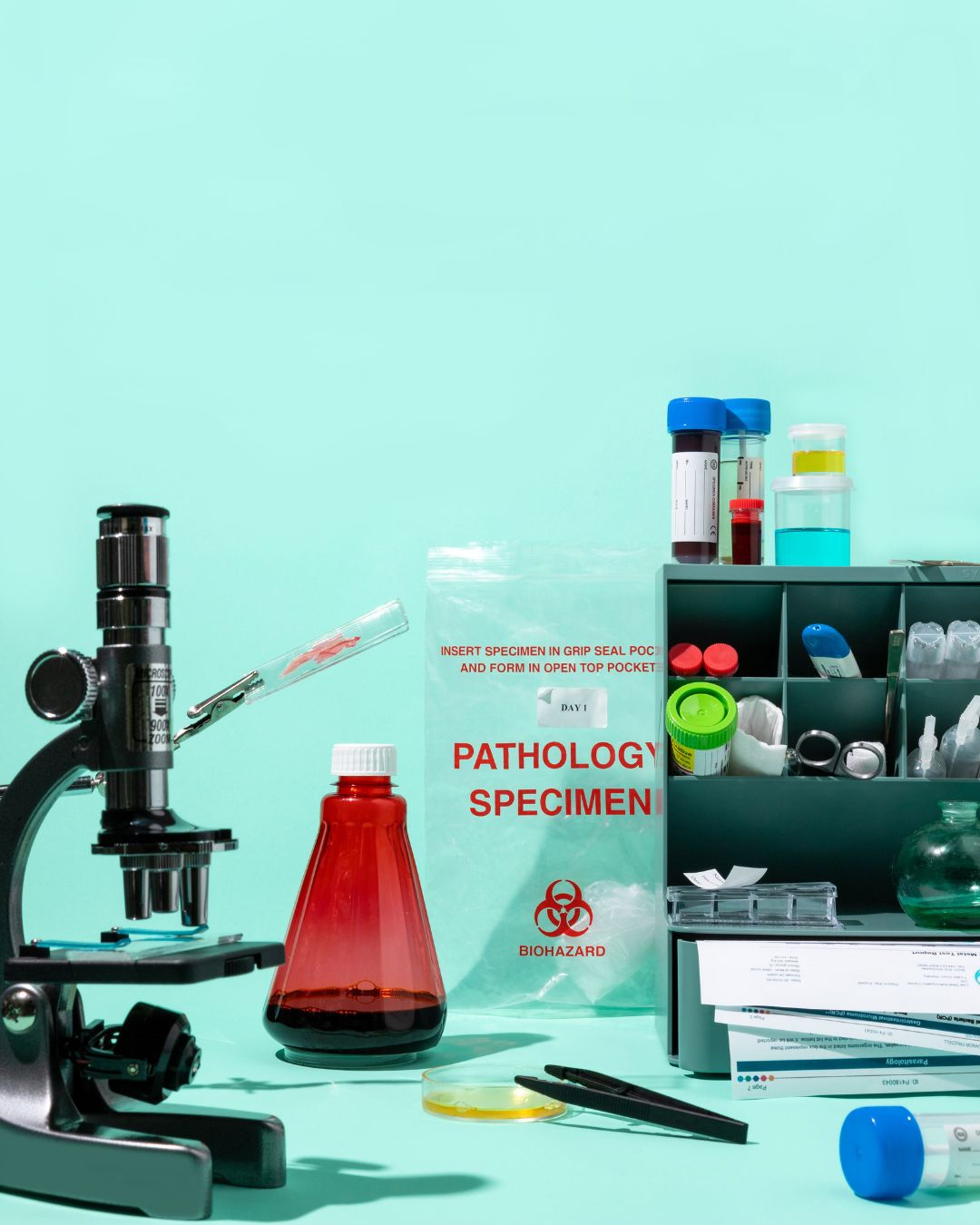
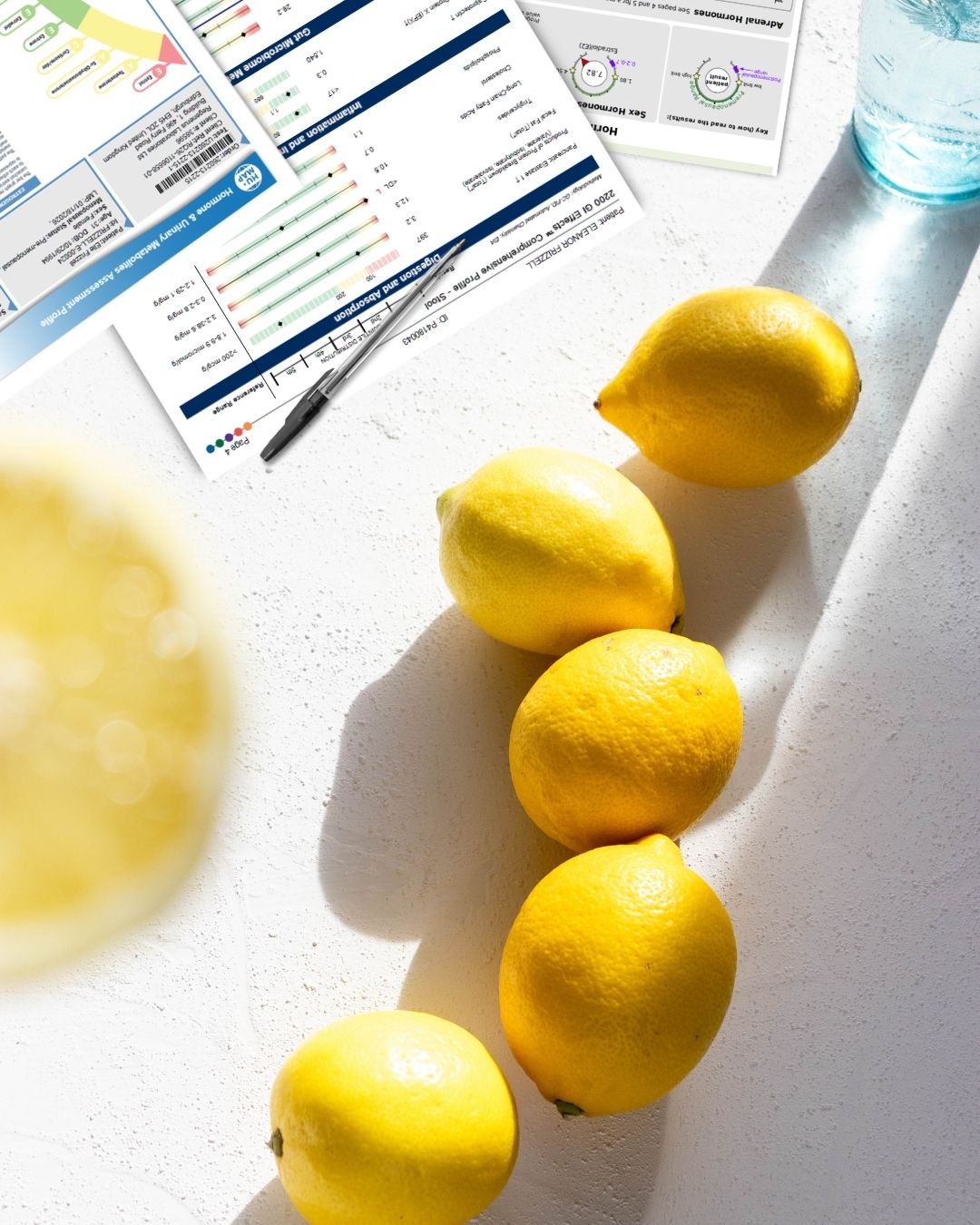
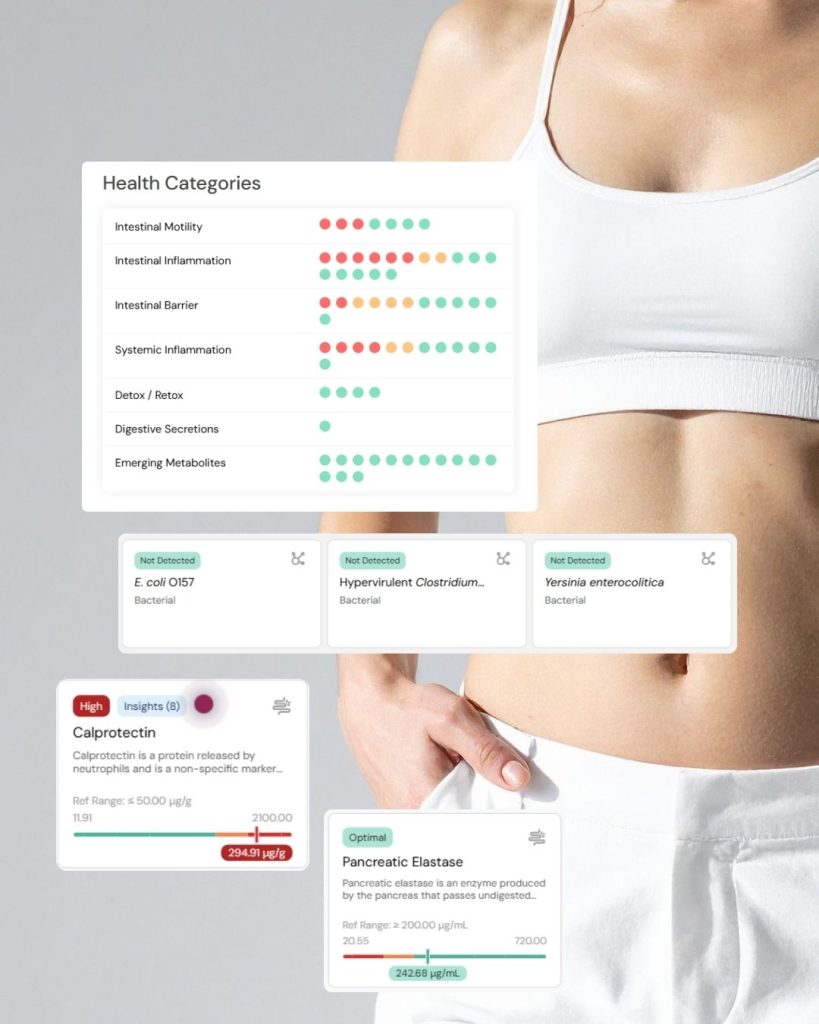
Comprehensive stool testing provides an in-depth assessment of your gut health including assessing intestinal motility, digestive function, inflammation, gut barrier health, bacterial or yeast imbalances, infections and microbial metabolites (like short chain fatty acid production). This helps to identify potential underlying factors that may be contributing to ongoing symptoms.
Rather than guessing what’s happening inside your digestive tract, stool testing gives us personal data that can be used to create a targeted and personalised plan.
This test may be helpful if you experience:
- Bloating, excessive gas or abdominal discomfort
- IBS symptoms, including diarrhoea, constipation or mixed bowel habits
- Food sensitivities and increasing reactions to foods
- Acid reflux, indigestion or poor digestion
- Persistent fatigue or low energy
- Brain fog and poor concentration
- Skin conditions such as eczema, acne, rosacea or psoriasis
- Frequent infections or recurrent illness
- Autoimmune conditions
- Unexplained inflammation
- Long-term use of antibiotics, acid-suppressing medication or other medications that may impact gut health
Sound like this could help you?
Not sure if stool testing is right for you? Book a discovery call →
Food sensitivity testing
Have you ever felt bloated, tired, achy, or experienced headaches after eating, but struggled to identify the trigger?
Unlike food allergies, which typically cause immediate reactions such as itching, hives, swelling, sneezing, or in severe cases anaphylaxis, food sensitivities often produce delayed symptoms that can be much harder to pinpoint. Symptoms may develop hours or even days after eating a particular food and can include:
- Bloating and digestive discomfort
- Headaches and migraines
- Fatigue and brain fog
- Joint pain
- Skin problems such as eczema, rashes, or acne
Food sensitivities vs Food intolerances
Although the terms are often used interchangeably, food sensitivities and food intolerances are not the same thing.
Food sensitivities involve the immune system but are not IgE-mediated allergies. They are not life threatening, but they can contribute to ongoing symptoms that may significantly affect quality of life.
Food intolerances, on the other hand, do not involve the immune system. They usually occur when the body struggles to digest certain foods due to a lack of specific enzymes. For example, lactose intolerance occurs when there is insufficient production of the enzyme lactase, making it difficult to digest lactose found in dairy products.
Many people with IBS also find that certain FODMAPs (types of fermentable carbohydrates) trigger digestive symptoms, which is another example of food intolerance rather than food sensitivity.
Why I don’t use IgG tests alone
Many food sensitivity tests available on the market measure only IgG antibodies. Unfortunately, the science behind many of these tests is questionable.
In many cases, elevated IgG levels simply indicate that your immune system has been exposed to a food and may actually reflect normal tolerance rather than an adverse reaction. This can lead to unnecessarily restrictive diets and confusion around which foods are genuinely problematic.
For this reason, I do not rely on IgG testing alone.
Can food sensitivity testing help?
Food sensitivity testing can sometimes provide useful insights when symptoms are significantly affecting your daily life and you are looking for a structured starting point to ease symptoms while we work to address the underlying causes.
However, it’s important to understand that food sensitivity testing often works best when used alongside a comprehensive stool test. The goal is not to remove foods indefinitely, but to understand why your body may be reacting to them in the first place, then gradually increase tolerance and dietary diversity.
Comprehensive hormone testing
Hormone testing
Hormones act as the body’s chemical messengers, influencing energy, mood, metabolism, sleep, stress resilience, reproductive health and more. When hormones are out of balance, symptoms can often develop.
Comprehensive hormone testing can provide valuable insights into sex hormone (oestrogens, progesterone, testosterone) and adrenal hormone (DHEA and cortisol) production and metabolism, melatonin production, as well as additional markers such as oxidative stress.
It’s ideal for premenopausal and perimenopausal women not currently taking oral contraceptive medication.
Hormone testing may be helpful if you experience:
- Menstrual irregularities
- PMS, PMDD, PMOS (formerly PCOS), or endometriosis
- Perimenopausal or menopausal symptoms
- Hormonal acne
- Persistent fatigue or burnout
- Difficulty coping with stress
- Anxiety, low mood or mood swings
- Weight gain or difficulty losing weight
- Low libido
- Fertility concerns
- Difficulty falling asleep or staying asleep
Curious about your hormones?
*DUTCH = Dried Urine Test for Comprehensive Hormones
Not sure if hormone testing is right for you? Book a discovery call →

Nutritional status testing
Optimal health depends on having adequate levels of vitamins, minerals and other nutrients. These nutrients act as cofactors in thousands of biochemical reactions throughout your body, supporting everything from energy production and hormone balance to immune function, cognitive performance and healthy skin.
Nutrient insufficiencies can occur due to poor dietary intake, following specific diets like being vegan, digestive issues, gut imbalances, increased stress, certain medications, or higher nutrient demands.
Common signs that may be associated with suboptimal nutrient status include:
- Fatigue and low energy
- Hair thinning or excessive hair shedding
- Brittle nails or poor nail growth
- Dry skin or skin concerns
- Brain fog and difficulty concentrating
- Low mood
- Frequent infections
- Poor wound healing
- Muscle cramps or restless legs
- Tingling or numbness in the hands and feet
- Reduced exercise performance and recovery
Why I don’t use finger prick testing
Generally, I don’t recommend finger pricks for assessing nutrient status or multiple health markers.
A finger prick uses a tiny capillary blood sample that’s a mix of arterial and venous blood, and tissue fluids. Although an at home finger prick test is convenient, it is prone to errors that may result in unreliable results.
A venous blood draw (phlebotomy) extracts blood from your vein, yielding a larger sample of blood from systemic circulation. This allows for more accurate and actionable results.
Where appropriate, tests such as folate level, vitamin D, iron, ferritin and liver function can be arranged via your GP.
Thyroid testing
Your thyroid acts as your body’s metabolic control centre, influencing energy production, temperature regulation, mood, digestion and weight management.
When thyroid function is underactive, many bodily processes can slow down leading to symptoms such as fatigue, weight gain, constipation, feeling cold, brittle/ dry hair and nails, loss of the outer third of your eyebrows.
When thyroid function is overactive, your body can feel as though it is constantly running in overdrive, contributing to symptoms such as anxiety, palpitations, weight loss, increased appetite, sweating and heat intolerance.
To properly assess thyroid health and function you need more than just TSH (thyroid stimulating hormones) and T4 (thyroxine).
A functional thyroid test looks at TSH, total and free T4, total and free T3 (triiodothyronine, the active thyroid hormone), reverse T3 and antibodies (to assess for autoimmunity). Looking at these markers together provides a more detailed understanding of thyroid function, hormone conversion and potential immune involvement, helping to build a clearer picture of what may be contributing to your symptoms.

Not sure if testing is right for you?
You don’t need to work that out on your own.
We can talk through your symptoms and goals, then decide whether testing could be useful.
No pressure to book a test, it’s just a chat.