At the ripe old age of 30 years, I have just recieved a diagnosis of autism.
I have written this article in the hope that A) it helps people understand autism better, especially in girls and late diagnosed women and B) it provides comfort to anyone who has gone through a similar experience.
For as long as I can remember I have experienced meltdowns and shutdowns. Of course at the time I didn’t know that’s what they were. I was often told off when I would get emotionally overwhelmed and cry. After socialising or a day of too much sensory input I would be unable to speak, which was often seen as rudeness.
I have been in and out of the NHS mental health service since I was 11 years old. I was diagnosed with depression at 12. Then generalised anxiety disorder and panic disorder. To cope, I developed obsessive compulsive tendancies and disordered eating. I have seen multiple doctors, therapists, counsellors and was repeatedly diagnosed with depression, anxiety and panic disorder. I have undergone talking therapy, cognitive behavioural therapy, tapping therapy and anti-depressant medication all to no avail.
The older I got the worse these meltdowns became. I have read a lot about meltdowns and shutdowns in children but there is sparse information on meltdowns in adults. It’s as if autistic people turn 18 and meltdowns magically go away. From my experience people are more accepting when a child is crying – “she’s just overly emotional”, “she’ll grow out of it”, “it’s teenage hormones”. As an adult, however, it is socially unexceptable for a grown women to cry because she cannot work out in the morning, or because she doesn’t know what the schedule is for the day, or the because plans change last minute.
For me, meltdowns are exhausting. If I am very overwhlemed I can have multiple meltdowns that lead to panic attacks and then spiral into a complete inability to function. Prior to my diagnosis, when I didn’t understand why this was happening, I blamed myself. I felt stupid and worthless. I did not understand why things that everyone else found easy, I found so challenging.
In March this year (2025), I had a mental health crisis triggered by entering Training Clinic which was part of my nutrition degree. My mum took me to the doctor’s, I was in flood of tears and shaking. I was again diagnosed with “significant mixed anxiety, depressive disorder and panic disorder”, referred for cognitive behavioural therapy (CBT) and decided to try Sertraline. The waitlist for CBT was almost 2 years and having done it before and not finding it helpful, I begged for alternative help. I was referred to a mental health nurse, whom I saw within 2 weeks. After an inital assessment, he suggested that perhaps I was not depressed and that I may be neurodivergent.
FYI, depressed people don’t tend to exercise every day and download floor plans so they know where the toilets are in unfamilar buildings.
My GP referred me for an autism assessment but the NHS waitlist was a minimum of FIVE YEARS. Since I was not coping, and at the time was unable to complete my degree, I decided to go private and opted for The Autism Clinic as they were well versed in helping neurodivergent females. The clinicans who performed my assessment were lovely and at the end of the assessment I recieved a diagnosis of autism.
All my life my mum and aunt, whom both worked in schools with autistic children, joked that I was “on the spectrum” but actually recieving a diagnosis was quite the revelation.
I went through a strange period of what I can only describe as a sense of mourning.
I wish I had known ealier as I may have been able to save myself from some of the horribly dark and low times I have been through. However, I am so grateful to now start to understand why I react and think the way I do. I feel like I can finally start to forgive myself and stop forcing myself to do things that I find distressing just because other people do them.
Being autistic does change the way I work as a clinician. I work with a smaller number of clients, allowing me the time and space to really listen, notice the details and connect the dots.
My natural curiosity and attention to detail helps me look beyond symptoms, to see the small details others might miss and to understand the bigger picture. I also know what it feels like to be unheard or misunderstood, which is why empathy and listening are at the heart of every consultation.
For me, being autistic isn’t a limitation to my work — it’s part of what makes me the clinician I am.
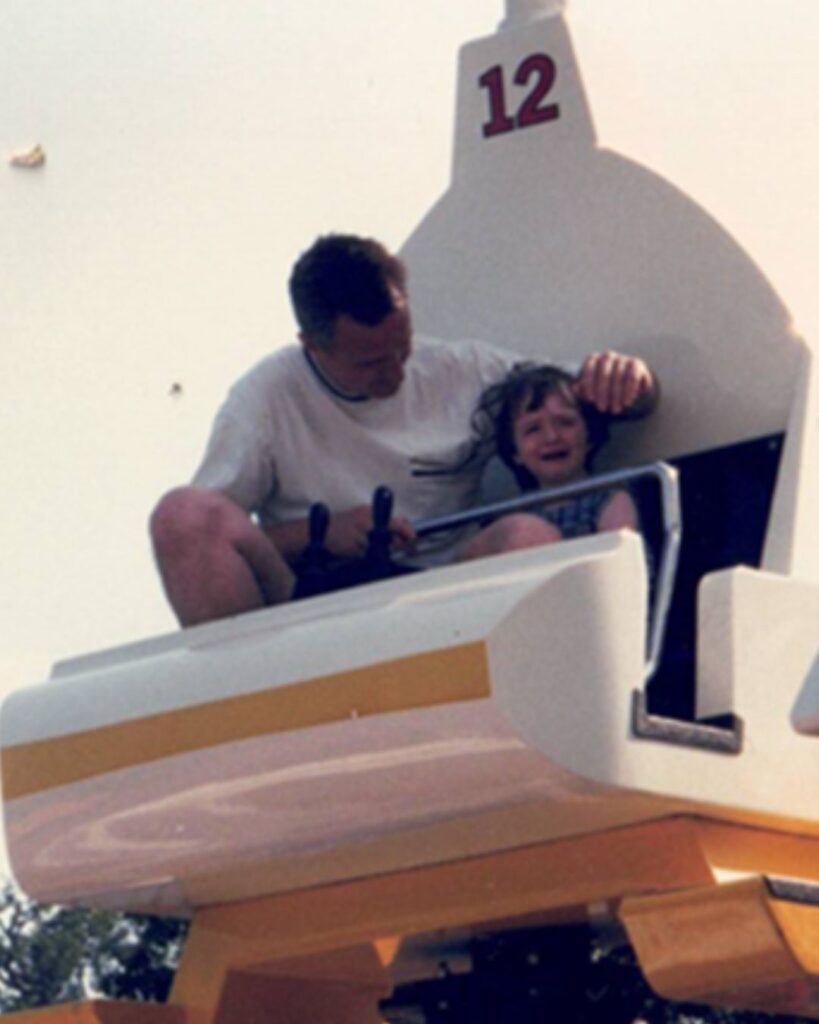
Rides and the unkown = tears
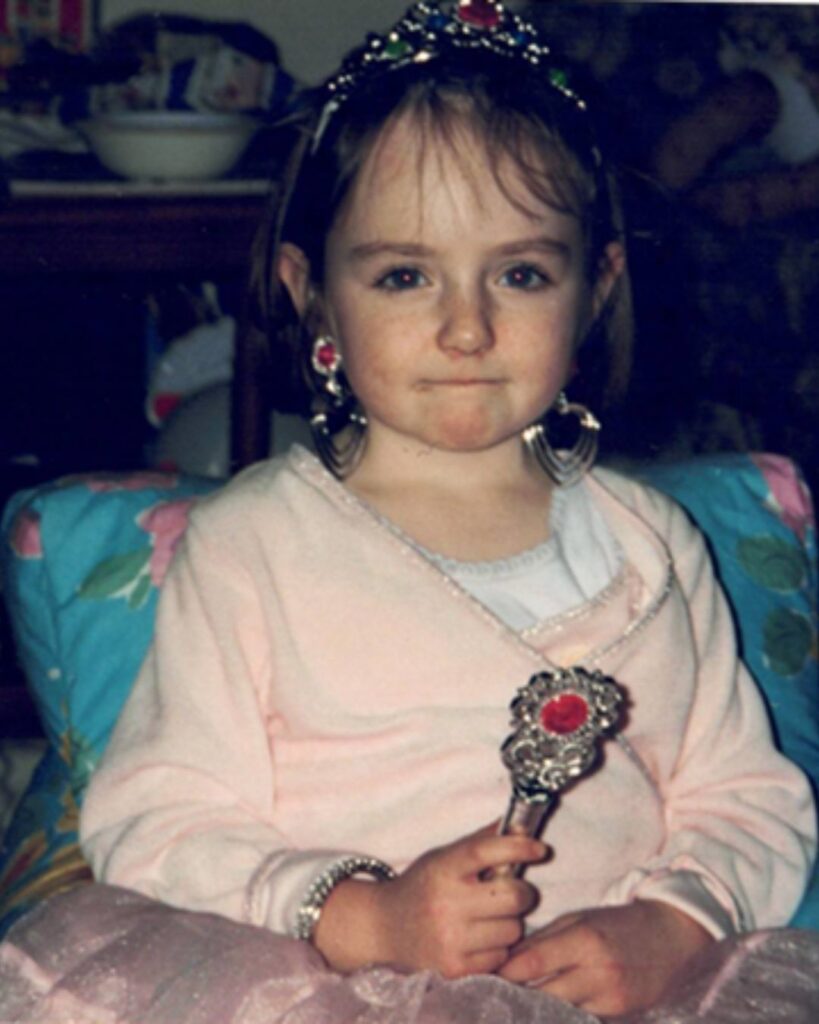
Always enjoyed dressing up & playing characters.
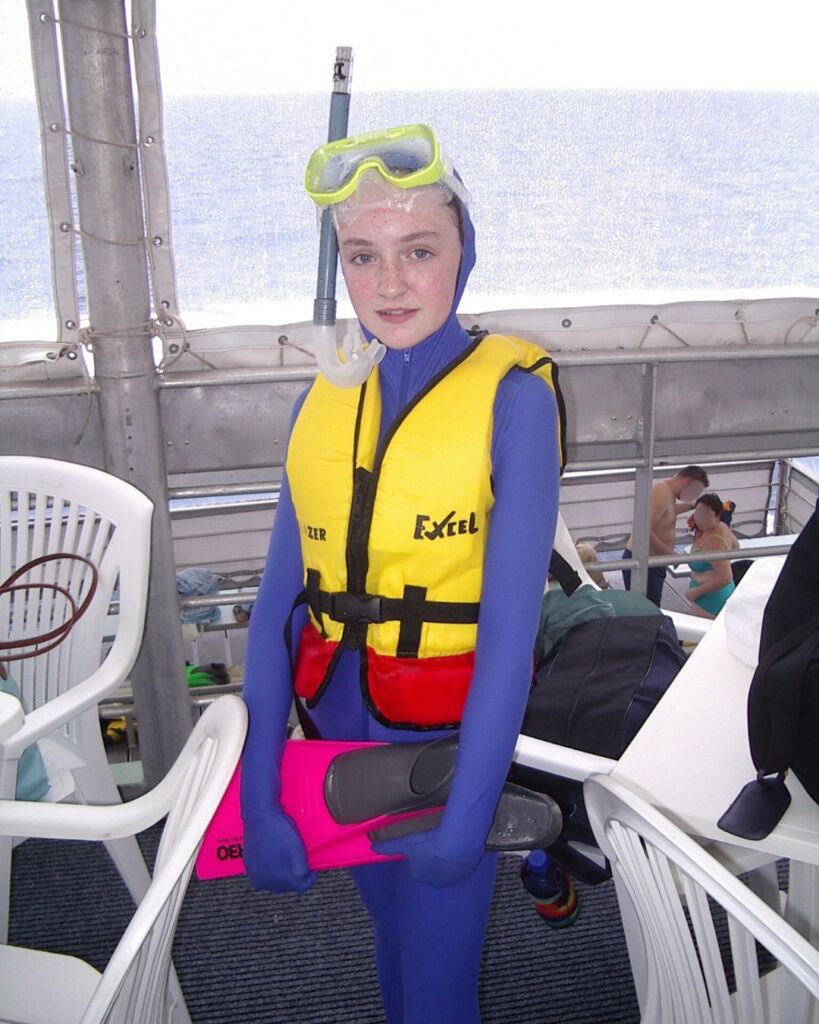
Had a meltdown prior to this pic. Took a man’s joke about sharks very literally & thought I was gonna die.
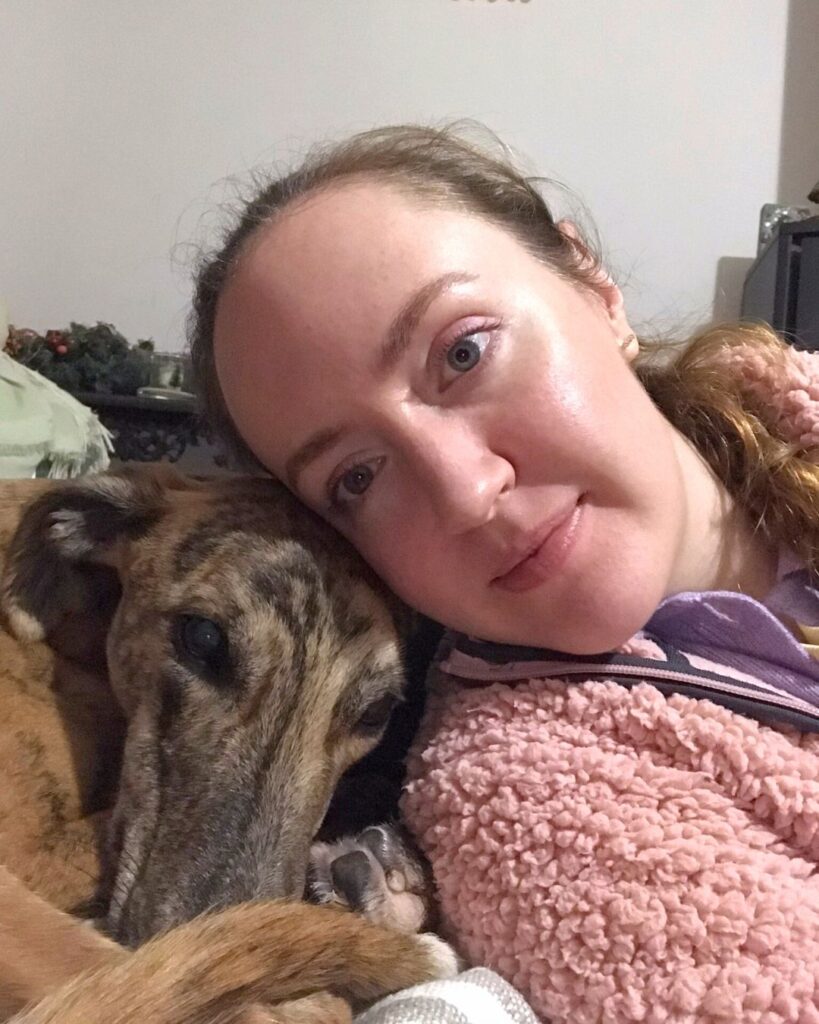
Dogs are easier to communicate with. Figgy ♥︎
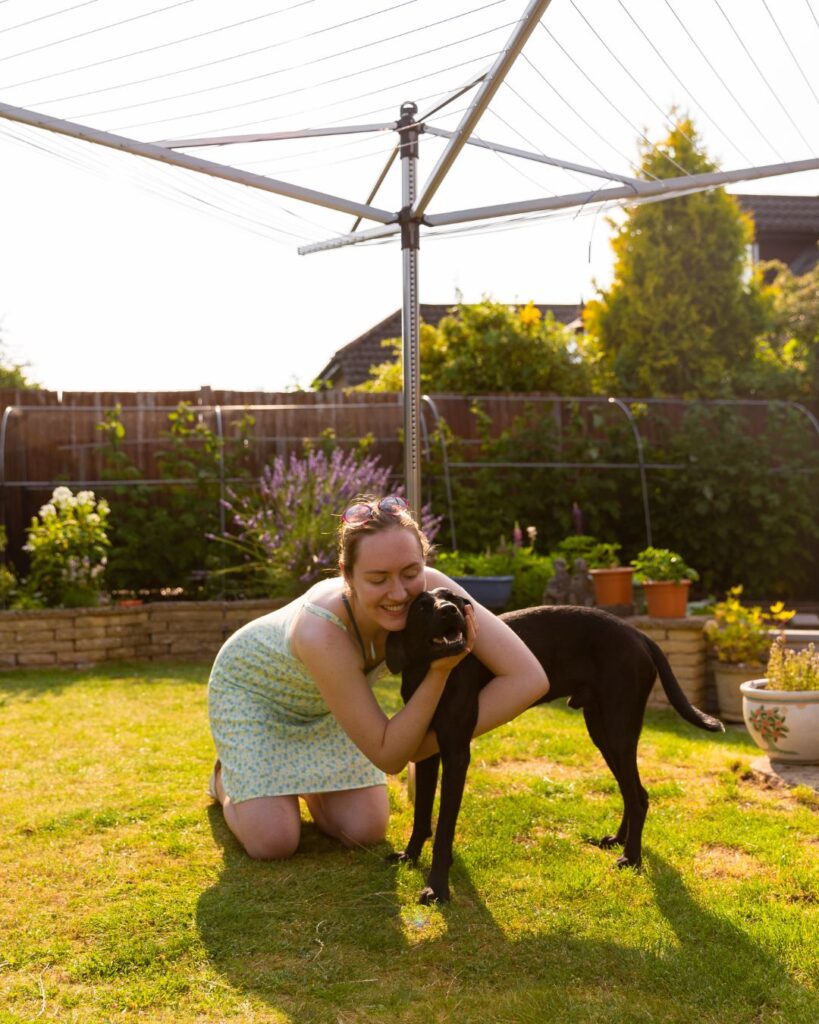
Loki ♥︎

Happiest when I’m being active or creative.
Signs of autism in girls and women
Unfortunately, a lot of society’s understanding of autism is based on research conducted on boys. Many females don’t present the same way as males, thus go undiagnosed. Awareness of the different presentations between males and females is increasing, leading to more late diagnosed adult females, myself included.
Common autistic traits in females:
—
Misconceptions about autism
There are misconceptions that autistic people don’t get humour and can’t understand emotions. Autistic people do understand humour, they just might find different things funny to neurotypical people. I myself am partial to a little sarcasm. Some people with autism may struggle to read emotions. Others, like myself, can be hyper-empathetic. Research from Sheffield Hallam University revealed that most autistic people identify as hyper-empathetic. Hyper-empathy is a sense of absorbing another person’s emotions to the point that it causes distress.
In addition, many autistic people experience alexithymia which makes identifying, processing and expressing your own emotions challenging. The co-occurance of hyper-empathy and alexythemia (literally meaning “no words for feelings”) can lead to overwhelm, boundary issues and vulnerability.
High functioning autism
High functioning autistics often go unnoticed. I think many people think being high functioning means autism doesn’t really impact your life, but it does. Yes, I am well spoken, I can dress myself, cook for myself and I have managed to get a degree. But, I don’t really have any friends and I’ve never been in a relationship. I cannot spontaneoulsy go somewhere. Overwhelm and emotional dysregulation has led me to experience suicidal ideation. I wouldn’t really call that high functioning, more high masking to fit into societal expectations but with MASSIVE consquences.
Sex differences in autism
Most women mask. Females tend to observe social interactions and learn to mimic them. To oustiders we appear neurotypical and absolutely fine. Behind closed doors we cry, feel exhausted, stressed, don’t sleep, rehearse conversations and mentally replay events questioning everything that we did.
Why seek an autism diagnosis?
It is entirely up to you as to whether a formal diagnosis of autism is right for you. If like me, you have received multiple mental health diagnoses but have failed to respond to treatment then it may be worth considering. I would have a look at the DSM-5 (Diagnostic and Statistical Manual of Mental Disorders fifth edition) to see if you fit the criteria for an autism diagnosis. I’ve briefly described it below.
I am at the begining of understanding my neurodivergence but already I have been given access to resources that would not be available to me without a diagnosis. Like a sunflower lanyard that helps me feel a bit safer in public settings, like an airport or the London underground. I was also able to complete my degree.
Sadly, NHS waitlists are very long and private diagnosis is insanely expenisve and therefore not an option for many people. I recommend having a look at Right to Choose to see if there are any NHS providers with shorter wait times. Note that your GP will need to refer you.
How is autism diagnosed?
One of the main tools used to diagnose autism is the DSM-5 (Diagnostic and Statistical Manual of Mental Disorders fifth edition).
According to the DMS-5 an individual must meet the following criteria for a diagnosis of autism:
Who diagnoses autism?
There is usally more than one clinician involved in an autism assessment. The multidisciplinary team of specialists may include: child and adolescent psychiatrists, psychologists, senior social workers and speech and language therapists.
What happens during an autism assessment?
Each assessment provider is slightly different. Most have an initial screening to identify if assessment is the right path for you. Then you fill in multiple forms answering questions on developmental history, mental health history and current life. Ideally you will also have an informant, someone like a parent who has known you for a long time.
For my assessment, I submitted forms, sent over school reports, medical records and photos. Then I spoke to a clinician over Google Meet and it was essentially about 1 hour 30 minutes of questions and chatting. At the same time, my mum was talking to a speech and language therapist about my childhood. After a couple of hours I met with both clinicians who delivered the outcome. Two weeks later I recieved a full report with some resources.
Can autism be treated or cured?
No. Autism is not a mental illness that can be cured, nor does it need to be.
Autism does not tyically respond to medication either. It is a lifelong neurodevelopmental condition that affects how people experience communication, social interaction and change, subsequently leading to overwhelm and meltdowns in the absence of appropriate adaptions, consistency or support.
Autism can be challenging but it can also open up a world of possibilties. The key is to develop stratergies that work for you. Support and coping mechanisms should be tailored to each individual. Rather than cognitive behaviour therapy, austism may repsond better to ‘interpersonal skills’ which aims to aid communication, social and emotional skills.
And as a nutritionist I feel I should to say diet can help with nervous system support and with some of the conditions that co-occur with autism, such as IBS. Prioritise minimally processed foods, eat a rainbow of colourful plant based foods for fibre (to nourish the gut microbiome (gut-brain axis) and omega 3s from oily fish, walnuts, chia, flax and hemp seeds to nourish your brain. I also find exercise helps to regulate my emotions. But a healthy diet and lifestyle cannot “treat” neurodivergence.
Does autism get worse with age?
ASD and ADHD/ ADD co-occurrence
An estimated 50 to 70% of people diagnosed with autism also meet the criteria for ADHD (attention-deficit hyperactivity disorder) or ADD (attention-deficit disorder). Because many traits of autism can overlap with, or mask, those of ADHD or ADD, identifying both conditions can be challenging. When autism and ADHD co-occur, this presentation is often referred to as AuDHD.
I was incredibly surprised that my assessors suggested that I also have ADD due to my forgetfulness (RIP to all the lip balms and jewellery I have lost and all the food I have burnt), disorganisation, having multiple projects on the go, difficulty finishing said projects and tasks, and inabilty to sit still/ getting bored very easily (I cannot sit through a film).
Resources
Apologies for this being a looong post but us autistics do love to info dump. Below are some resources that you may find helpful.
References
ADDitute. (2024, Apr 3). Autism in adults. https://www.additudemag.com/autism-spectrum-symptoms-adults/
Autism Speaks. (n.d). Autism diagnostic criteria: DSM-5. https://www.autismspeaks.org/autism-diagnostic-criteria-dsm-5
Hours, C., Recasens, C., & Baleyte, J. M. (2022). ASD and ADHD Comorbidity: What Are We Talking About? Frontiers in psychiatry, 13, 837424. https://doi.org/10.3389/fpsyt.2022.837424
Mazefsky, C.A, & Minshew, N.J. (2010, Nov). The Spectrum of Autism: From Neuronal Connections to Behavioral Expression. AMA Journal of ethics. https://journalofethics.ama-assn.org/article/spectrum-autism-neuronal-connections-behavioral-expression/2010-11
National Autistic Society. (n.d). Autistic women and girls. https://www.autism.org.uk/advice-and-guidance/topics/identity/autistic-women-and-girls
NHS Eastwick Park Medical Practice. Right to Choose ASD & ADHD Pathways. (2024, July 4). https://www.eastwickpark.nhs.uk/about-us/news/1642/
Sheffiled Hallam University. (2024, Feb 5). Autistic people more likely to feel overwhelming ‘hyper-empathy’. https://www.shu.ac.uk/news/all-articles/latest-news/autism-and-hyper-empathy-study