
What is adenomyosis?
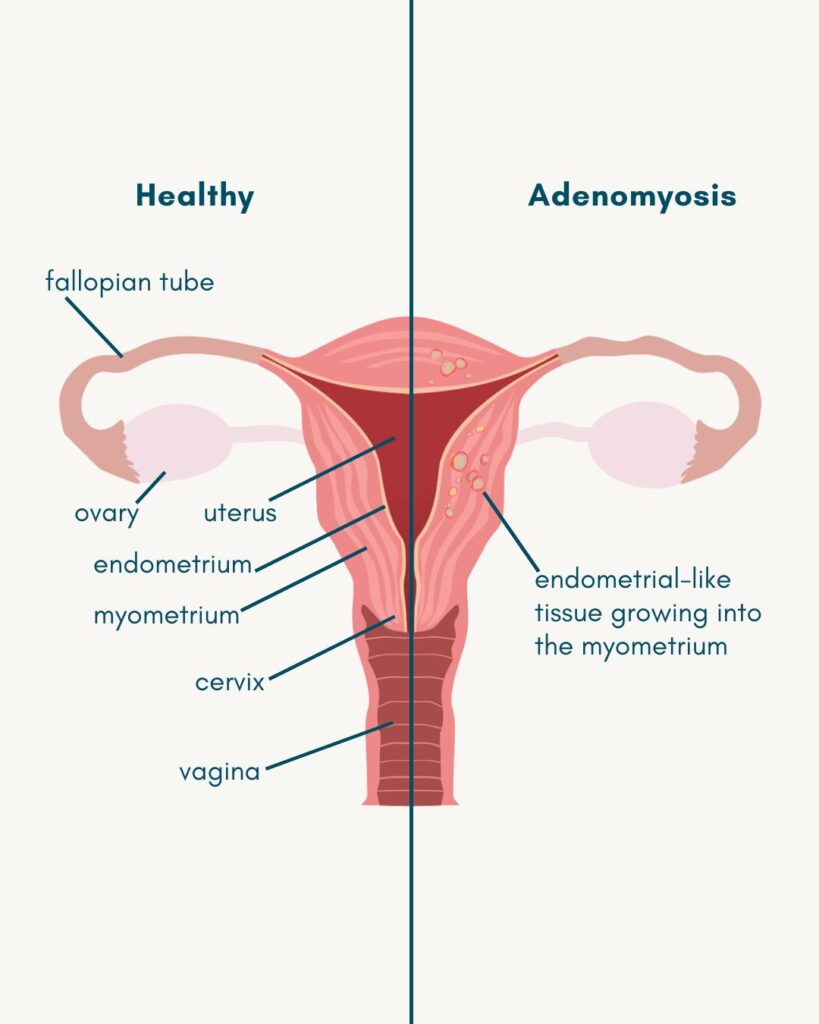
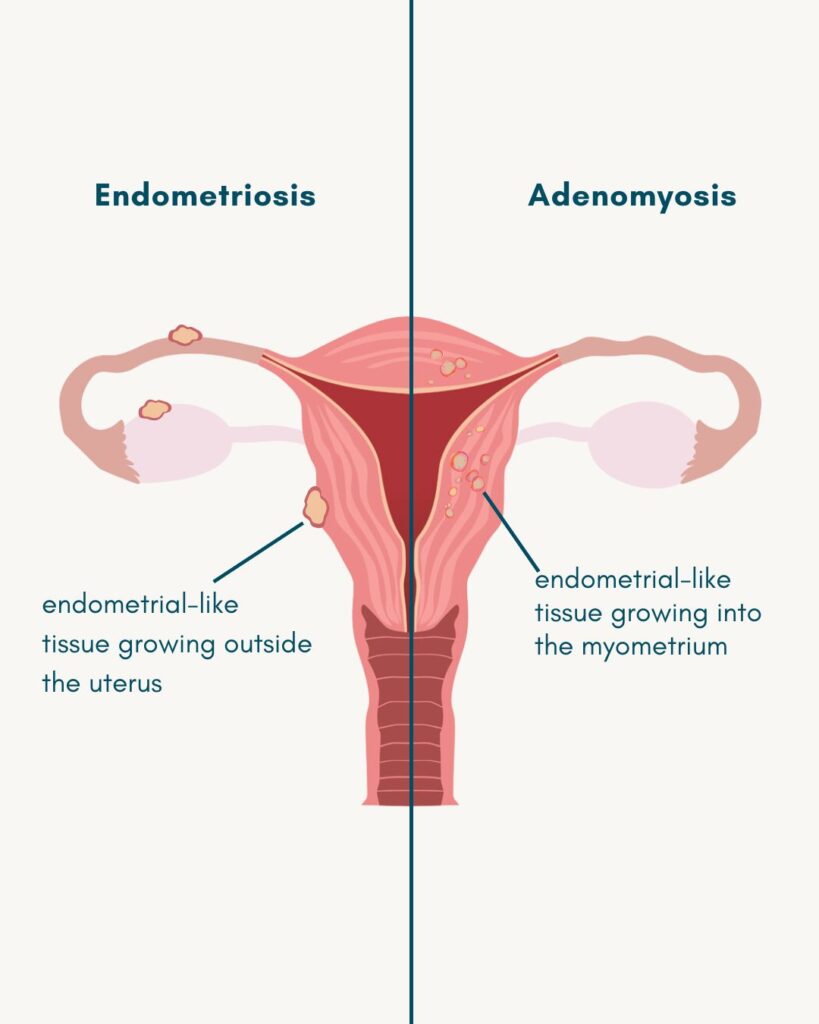
Adenomyosis occurs when the inner layer of the uterus (endometrium) grows into the muscular layer of the uterus (myometrium).
This abnormal tissue growth can cause symptoms including:
What causes andenomyosis?
A key contributing factor to adenomyosis is unopposed oestrogen. Oestrogen can interact with oestrogen receptors in the uterus and encourage cell proliferation and therefore growth of the uterine tissue.
What is the difference between andenomyosis and endometriosis?
In adenomyosis endometrial tissue grows into the myometrium. In endometriosis the endometrial tissue grows outside of the uterus on the ovaries, fallopian tubes, bladder, bowel and in rare cases the lungs.
Nutrition for andenomyosis
Cruciferous vegetables
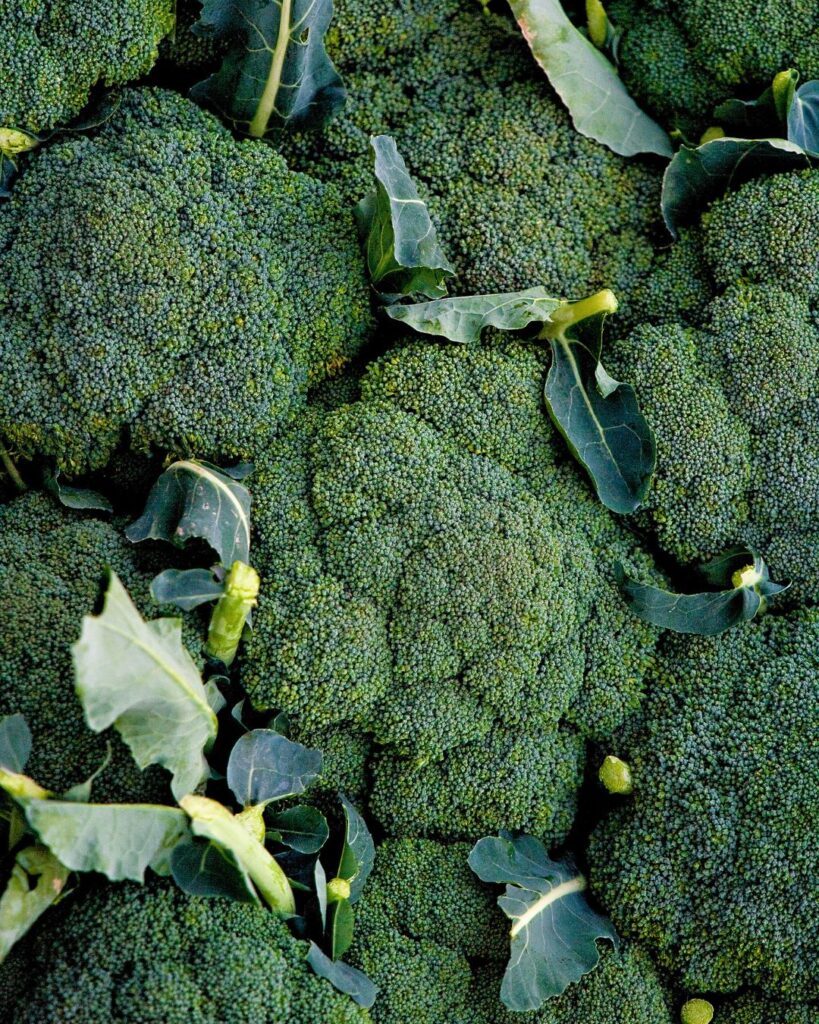
These vegetables contain indole-3-carbinol and thiols to support the liver’s ability to detoxify oestrogen. Cruciferous vegetables include: broccoli spouts, broccoli, brussel sprouts, cauliflower, cabbage, kale, collard greens, bok choy, rocket, watercress. Try to get a portion of cruciferous vegetables into your diet everyday.
Fibre
It is important to have a bowel movement every day to ensure that the oestrogen that the liver has metabolised/ detoxified and packed up is excreted from the body in stool. If things hang around in the bowel for too long, like detoxified oestrogen, they end up getting reabsorbed back into the bloodstream via a process called enterohepatic circulation.
β-glucuronidase is an enzyme produced by the cells in your colon and by certain bacteria inculding Bacteroides spp., Clostridium perfringens and E.coli. This enzyme can unpackage the metabolised oestrogen causing it to under go enterhepatic circulation. This can lead to increased levels of oestrogen.
Fibre (especially prebiotics and resistant starch) and polyphenols can help to keep the β-glucuronidase producing bacteria at bay, thus reducing the recylcing of oestrogen and promoting the excretion of metabolised hormones in stool.
Fibre is found in plant based foods like: fruit, vegetables, whole grains, nuts, seeds, beans, legumes, herbs and spices.
Ensuring you eat a diverse range of plant foods in a rainbow of colours should provide you with the recommened 30g of daily dietary fibre. I am a big fan of seeds; I add them to my breakfast, wraps and soups.
Anti-inflammatory foods
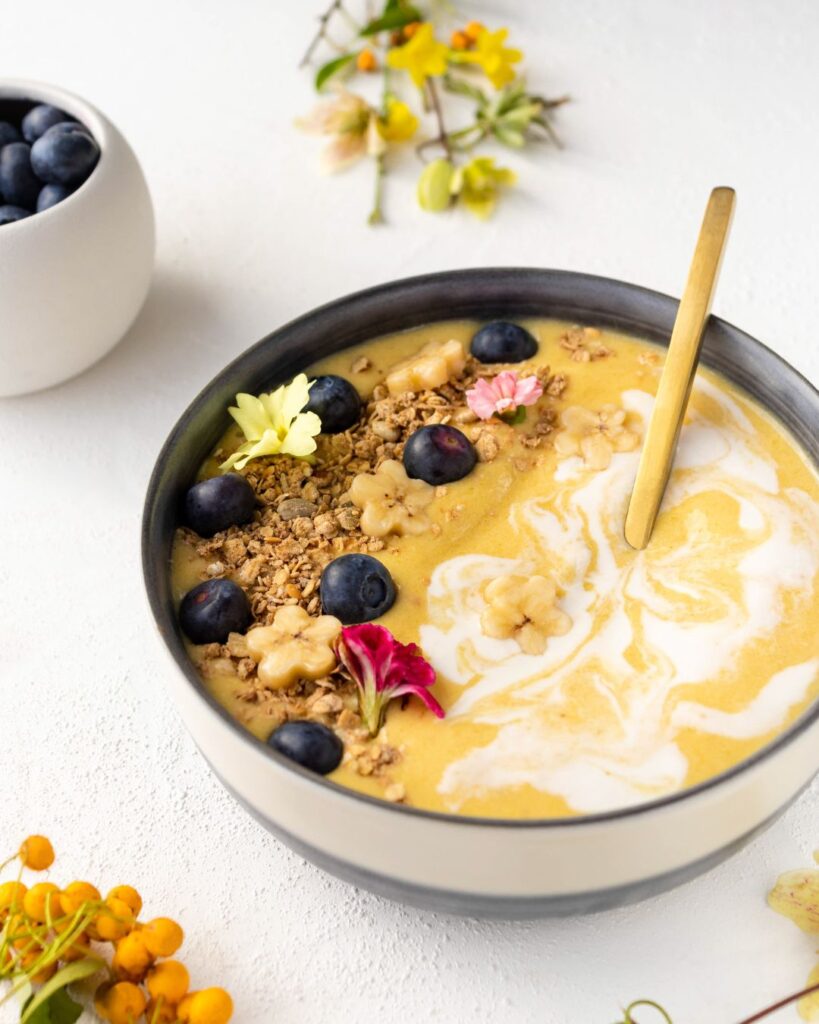
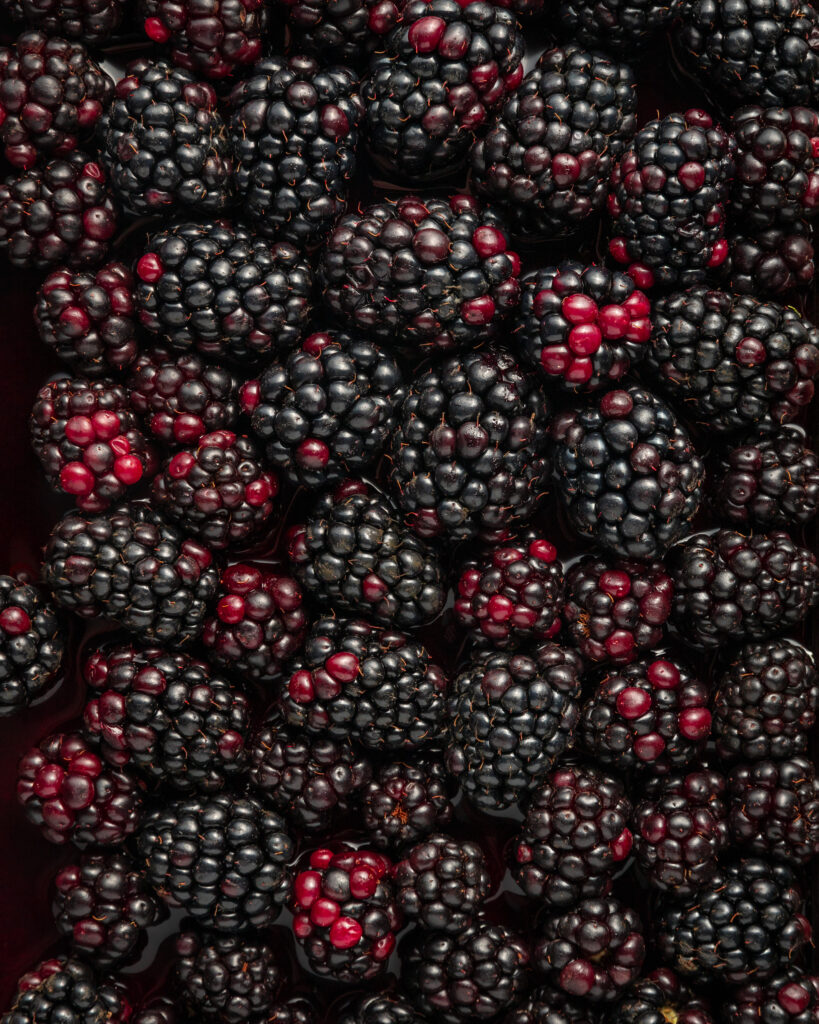
Adenomyosis is associated with inflammation in the uterine lining which contributes to abnormal tissue growth. Anti-inflammatory foods include: berries, green leafy vegetables, extra virgin olive oil (store in an opaque bottle as sunlight reduces the antioxidants), avocados, nuts, seeds. Herbs like rosemary, fennel, fenugreek, coriander and spices like turmeric, cumin, cinnamon and ginger are anti-inflammatory.
Omega 3 fatty acids are anti-inflammatory, with the richest source being oily fish (salmon, mackerel, sardines, trout, herring) which provide eicosapentaeonic acid (EPA) and docosahexaenoic acid (DHA). For those who are vegan, vegetarian of allergic to fish, algea oil is a good sources of both EPA and DHA. Some plant based foods provide alpha-linolenic acid (ALA) which can be converted to EPA and DHA (although conversion is often poor). Sources of ALA include: ground flax seeds, chia seeds, hemp seeds, walnuts.
Lifestyle recommendations for andenomyosis
Reduce endocrine disruptors
Endocrine disruptors are exogenous chemicals (meaning they come from outside of the body) that disrupt hormonal balance. They do this by binding to a hormones recepetor and mimicing that hormone. You can reduce your exposure to endocrine disruptors by reducing your use of plastics and changing your personal care products.
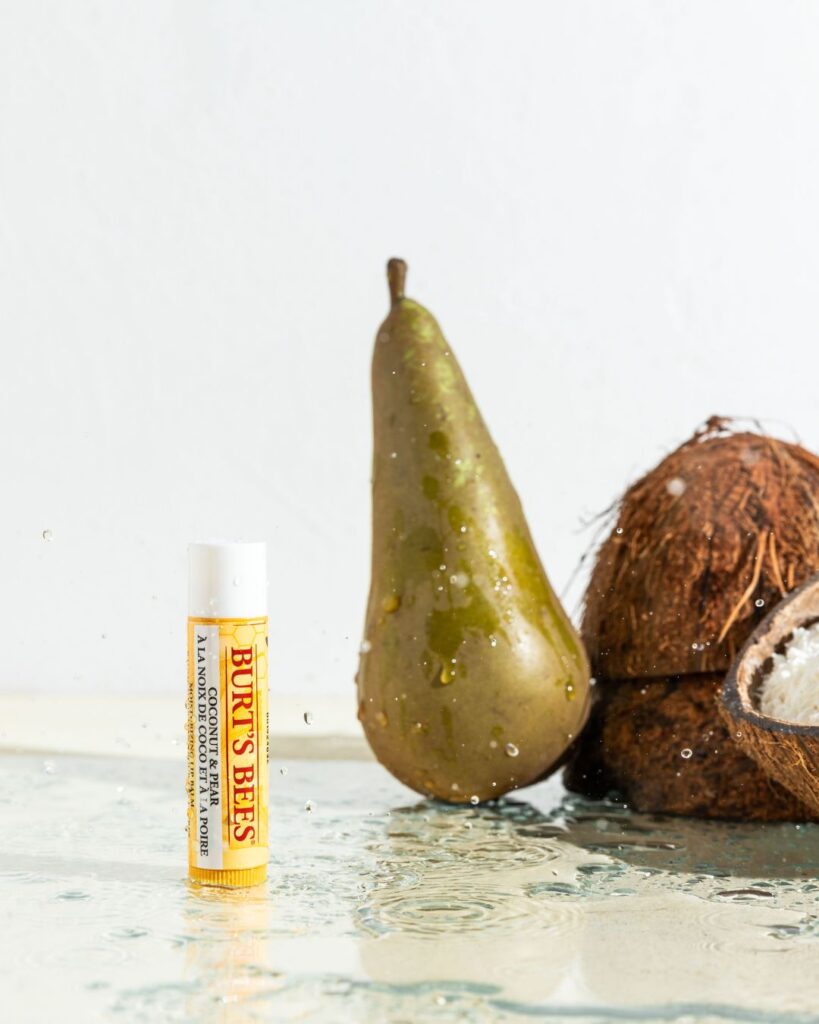
Bisphenol A (BPA), in plastics, has a similar structure to estradiol (E2) allowing it to activate this estrogen receptor. Phalates, in plastics and cosmetics, are able to bind to and activate oestrogen receptors. Endocrine disrupting ingredients in personal care products include: parabens, phalates, benzophenones, triclosan, perfume (artifical fragrance), oxybenzone (in some sunscreens), homosalate (in some sunscreens).
As oestrogen receptors are present in the tissue lining the uterus, endocrine disruptors can encourge growth of uterine tissue and have a pro-inflammatory effect, potentially contributing to adenomyosis.
How to reduce your exposure to endocrine disruptors:
Acupuncture
Acupuncture may help increase blood flow and therefore nutrient delivery to the uterus. It may reduce heavy bleeding, pain and cramping. Accupunture may reduce uterine size or the size of uterine lesions possibly via modulation of the HPO (hypothalamus-pituitary-ovarian) axis and/ or by reducing pro-inflammaotry cytokines.
Vitamin D
Vitamin D helps modulate cellular signalling including controlling inflammatory signalling and gene expression involved in adenomyosis. The best source of vitamin D is sunlight. Supplementation is recommended in the UK from October to March. 1000 IU (25 µg) D3 daily. Ideally, test your vitamin D levels to be able to dose accordingly. Optimal levels in the UK are 75 ng/ml and above.
Managing pain
Ginger has ben shown to be as effective as non-steroidal anti-inflammatory drugs like Ibuprofen and Paracetamol for alleviating menstrual pain. Drink ginger tea, use fresh root or dried spice in your smoothies, oatmeal, soups , stir fries and marinades.
Magnesium helps relax the smooth muscular layer of the uterus. Food sources include: pumpkin seeds, chia seeds, almonds, spinach, avocado, dark chocolate, whole grains like brown rice and oats, beans and legumes.
Due to the way our food is produced and stored most people are magnesium deficient so supplementation may help. Great bioavailable forms: magnesium citrate (good for constipation/ encouraging regular bowel movements), magnesium glycinate (good for anxiety/ sleep/ stress), magnesium malate (for pain and fatigue).
Managing heavy bleeding
Heavy menstrual bleeding can easily lead to iron deficiency. Ensure you eat sources of iron from: meat, seafood, eggs, beans, lentils, peas, spinach, kale, dried apricots, dark chocolate.
Plant based iron (non-heme) is poorly absorbed compared to heme iron in animal products. Iron absorption is enhanced by vitamin C found in: strawberries, kiwis, citrus fruit, bell peppers, tomatoes, broccoli, brussel sprouts, potatoes. Iron absorption is reduced by coffee and tea so drink these 20 – 30 minutes away from food intake.
If you have a blood test that shows you’re iron deficient, supplement with a bisglycinate form, like this one by Pure Encapsulations. Sulfate forms (ferrous sulfate) are poorly absorbed and often cause gastrointestinal upset, constipation and nausea.

References
Sui, Y., Wu, J., & Chen, J. (2021). The Role of Gut Microbial β-Glucuronidase in Estrogen Reactivation and Breast Cancer. Frontiers in cell and developmental biology, 9, 631552. https://doi.org/10.3389/fcell.2021.631552
Invivo healthcare. (circa 2021). Faecal Beta-Glucuronidase Testing. https://invivohealthcare.com/education/articles/beta-glucuronidase/
Lizcano, F. (2022). Roles of estrogens, estrogen-like compounds, and endocrine disruptors in adipocytes. Frontiers in endocrinology, 13, 921504. https://doi.org/10.3389/fendo.2022.921504
Dutta, S., Banu, S. K., & Arosh, J. A. (2023). Endocrine disruptors and endometriosis. Reproductive toxicology. 115, 56–73. https://doi.org/10.1016/j.reprotox.2022.11.007
Ren, Y., Zhang, J., Wu, W., Yuan, Y., Wang, J., Tang, Y., Liao, Y., & Liu, X. (2023). Should acupuncture become a complementary therapy in the treatment of uterine fibroid: a systematic review and meta-analysis of randomized controlled trials. Frontiers, Obstetrics and Gynecology. 10.3389/fmed.2023.1268220
Gurung, A., Khatiwada, B., Kayastha, B., Parsekar, S., Mistry, Sabuj K.M., & Yadav, U.N. (2022). Effectiveness of Zingiber Officinale (ginger) compared with non-steroidal anti-inflammatory drugs and complementary therapy in primary dysmenorrhoea: a systematic review. Clinical Epidemiology and Global Health. 18. 101152. 10.1016/j.cegh.2022.101152.