
The topic of nutrition is something I’m super passionate about. I spend hours researching products before I buy them and read the ingredient labels of everything so I know EXACTLY what I am putting in my body. This may sound extreme and a bit crazy but when you read ingredients labels you soon realise just how much junk is added to our food. Protein powders are no exception, they often contain added sugars, fillers, binders, thickeners and preservatives that can upset sensitive guts, leading to IBS symptoms such as bloating, gas, and an upset stomach.
A few years ago I developed, and was close to producing, my own vegan protein powder, so I know a thing or two about protein formulations, ingredients, sourcing and what makes a great quality protein powder.
I recommend plant-based protein powders, especially if you experience gut issues such as IBS or leaky gut as whey protein is a by-product produced when making cheese, meaning it contains lactose which can cause digestive upset if you are lactose intolerant, or have a sensitive gut.
Secondly, whey (i.e dairy) is an inflammatory food which is not ideal for anyone with an inflammatory condition such as acne, arthritis, or auto immune diseases.
Plus, plant sources of protein typically contain more fibre to support healthy bowels.
Consider this as a check list for picking the best protein powder that won’t upset your gut:
★ A GOOD DOSE OF PROTEIN. It kind of goes without saying that if you’re buying a protein powder you want it to be a good source of protein. 15 – 30g of protein per serve is ideal for optimum support of muscle protein synthesis (process that stimulates muscle growth and repair).
★ CLEAN PROTEIN SOURCES. Such as pea, hemp, chia seeds, sunflower seeds, pumpkin seeds, sacha inchi seeds, quinoa and brown rice.
It’s a bonus if the protein source is sprouted or fermented as this can increase the amounts of beneficial plant compounds, vitamins, and minerals that are present. It may also reduce anti-nutrients that can interfere with your body’s absorption of amnio acids, and other nutrients. Basically, sprouting or fermenting will make the protein easier for your body to digest.
Check for certification such as ‘Informed Sport’, ‘GMP’ (good manufacturing practice), ‘organic’, ‘GMO free’, or ‘heavy metal tested’, to ensure you are getting a good quality product.
★ DIGESTIVE ENZYMES & AIDS. A protein powder is obviously designed to be high in protein, therefore it helps to have enzymes or plant botanicals that break down that protein, so your body can better absorb and utilise it.
You’ll often see an ingredient like ‘digezyme blend’, or amylase (to break down carbohydrates), protease (to break down protein), lipase (to break down fats), cellulase (to break down plant / fruit / vegetable cellulose), or some proteins contain bromelain (extracted from pineapple to aid protein digestion), or papain (from papaya to assist in protein digestion).
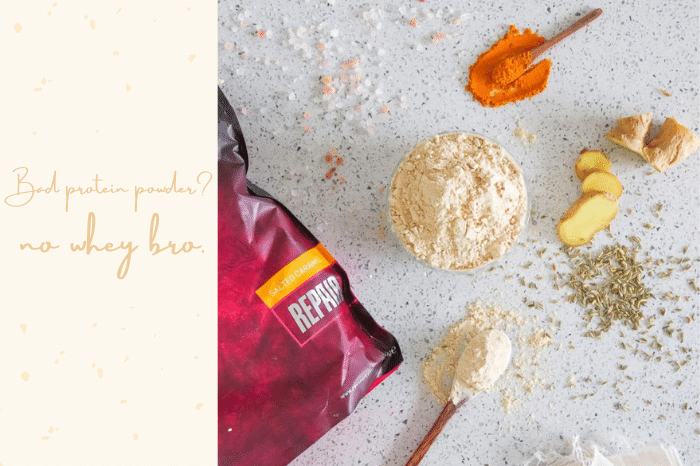
Peppermint, ginger or fennel are sometimes added to aid digestion and reduce symptoms of gas, bloating and discomfort.
★ INGREDIENTS TO AID RECOVERY. Exercise can be intense and demanding on your body, these ingredients can help you recover quicker and workout harder:
★ NATURAL SWEETENERS. Many protein powders contain added sugar, which is not only lilkely to irritae your gut but might actually counteract all that hard work you did in the gym. Commonly added sugars include: maltodextrin, crystalline fructose, corn syrup, sucralose.
You can get unsweetened protein powder (my picks would be Form Pureblend, Indigo Herbs organic superprotein blend, Supernova Living naked) but if like me you enjoy the sweetness a protein powder adds to a smoothie bowl or walnut muffins then look for natural low calorie sweeteners that aren’t going to spike your insulin (blood sugar) levels. My top picks are stevia, monk fruit and thaumatin (from katemfe fruit).
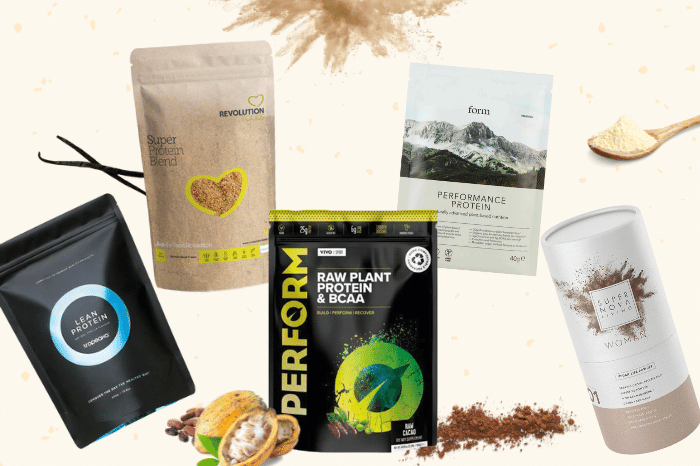
After years of trying sooooo many vegan protein powders (because whey i.e lactose, really upsets my stomach) I have found some great non gritty, smooth textured options that actually taste good. These protein powders will help you achieve your goals, rather than leaving you a bloated gas ball (cus ain’t nobody got time for that!).
REVOLUTION FOODS. The raw sport version in salted caramel is my go-to protein powder; I’ve been using it for years and add it my breakfasts as well as my baking. It’s made from bio-fermented pea protein and quinoa, plus it contains BCAA’s, the electrolyte sea salt, apoptogenic maca and digestive enzymes. I also love the Superblend formula. [EDIT 2022: I now use the Super Protein Blend as it’s cheaper and still contains great ingredients].
FORM NUTRITION. This is one of the first whole food protein powders I tried that didn’t irritate my gut. The powder is silky smooth. It contains digestive enzymes, anti-inflammatory curcumin (from turmeric), and a probiotic. It’s a bit too sweet for my liking as its sweetened with stevia and thaumatin (extracted from Katemfe fruit) but they do an unflavoured Pureblend protein.
VIVO LIFE. This company is all about sustainability, they are carbon neutral and all their packaging is biodegradable. Their protein powder features only the best quality ingredients including Madagascan vanilla beans, gelatinised maca, freeze dried acai, or freeze dried Ecuadorian banana powder (depending on the flavour your pick). Bonus, this one is Paleo friendly as it’s made from bio-fermented pea and cold pressed hemp.
SUPERNOVA. An apoptogenic protein powder made with ashwagandha, red maca, wild chaga and camu camu. It also contains ingredients to support gut health such as psyllium husk and agave inulin (a prebiotic to feed good gut bacteria).
TROPEAKA. An Aussie protein made with pea, brown rice and sachi inchi protein that features a gut friendly blend of dandelion, cardamom, turmeric, liquorice and aloe vera.
EARTHCHIMP. I was contacted by this company and asked if I wanted to try their protein (free food, yaasss please). I was pleasantly suprised by how good it tasted, even when just mixed with nut milk (I usually mix protein into my breakfast). It’s made from 100% whole foods and unlike other products contains no stevia (so if you’re not a fan of the stevia taste, you’ll love this protein), instead it is sweetened with monk fruit and an organic fruit mix of banana, dates and baobab. I love that it contains cinnamon, which is great for helping to control blood sugar levels, and prebiotics to help stimulate the growth of healthy bacteria in your gut.
Note: if you’re on a low FODMAP diet EarthChimp and Supernova may not be for you as they conatins high FODMAP ingredients e.g chicory/ agave root fibers.