
Acne used to be synonymous with teenagers but in recent years there has been a significant rise in the number of adults (especially women in their 20’s and 30’s) experiencing acne. So what is it that causes adult acne?
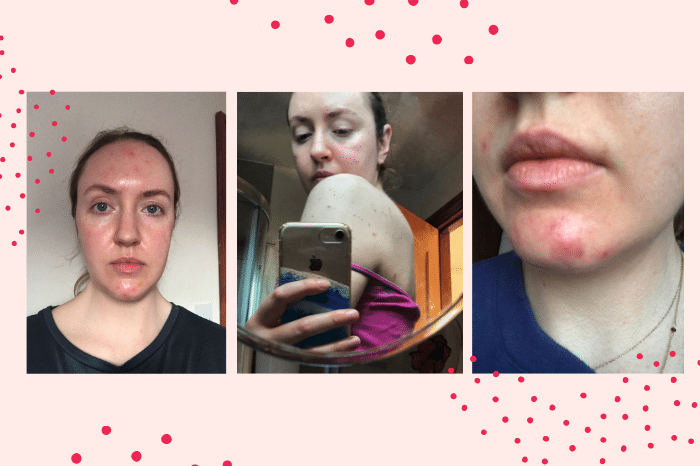
I have suffered with acne since I was 12 (around the time I started my period). It started with oily skin, blackheads and the monthly chin spots. But in my mid-teens I developed painful cystic acne that covered the lower part of my face and my upper back.
Like most people, my first port of call was skincare. I tried every over the counter ‘acne’ product but they just dried out my sensitive spotty skin, leaving it sore, red and still covered in blemishes.
Throughout my teens I went back and forth to my GP and was given benzyl peroxide, the pill, and antibiotics but none of them helped. I was then put on Roaccutane which cleared up my skin but gave me daily nose bleeds.
I prayed my skin would stay clear and I could continue living with my new found confidence. Sadly, within one month of coming off Roaccutane my acne returned. This was a clear signal to me that something was going on in my body that no cream or pill could fix.
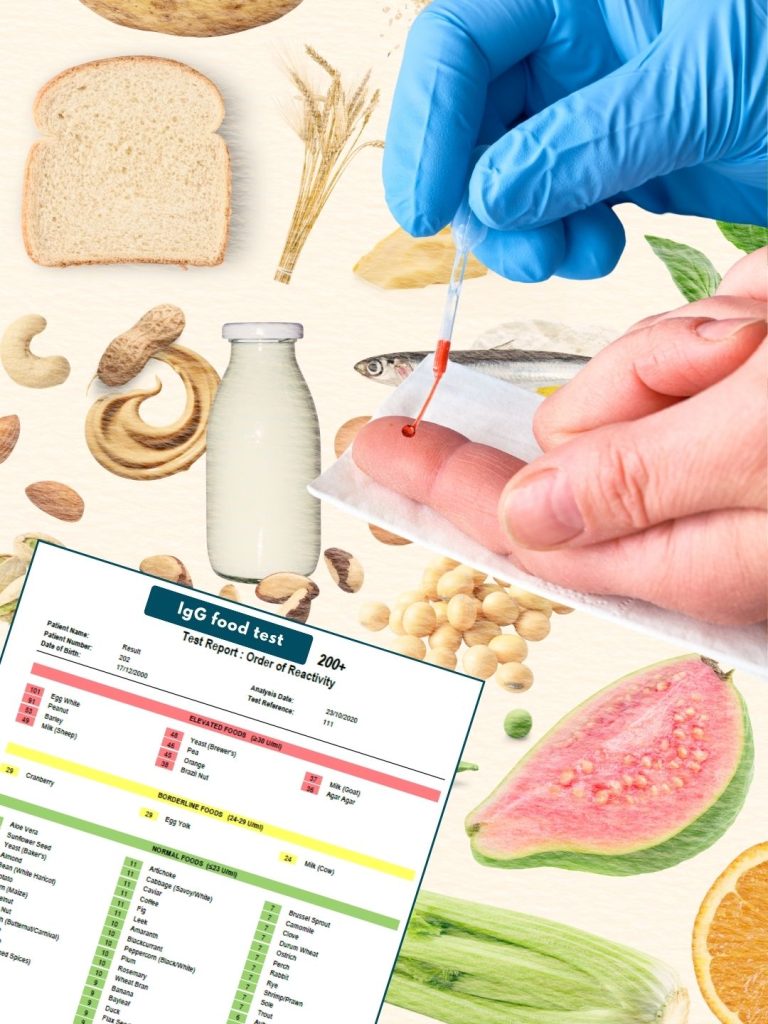
After a lot of research, testing, education and seeing naturopaths I discovered that my acne stems mainly from hormonal imbalances, insulin resistance, gut issues, and food intolerances.
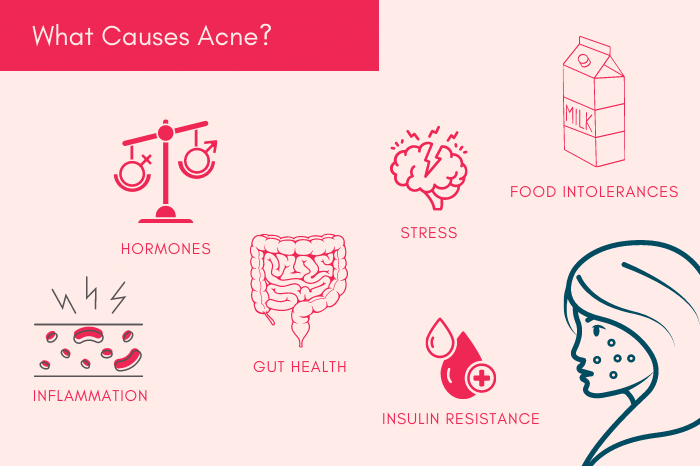
If you regularly break out on your chin or jaw line there is a high likelihood that your acne is linked to your hormones. Hormonal acne is common in females due to fluctuating levels of hormones throughout their menstrual cycle, which causes the skin to produce excess sebum and become clogged.
The main culprit for acne formation is excess androgens (particularly testosterone) which cause your sebaceous (oil) glands to go into overdrive and produce too much oil. And you guessed it; more oil = more acne.
Pregnancy, child birth and PCOS also affect hormones and may result in acne.
Acne is a chronic inflammatory disease (although blackheads and whiteheads tend to be non-inflammatory).
All of us are at risk of chronic internal inflammation, especially if you lead a busy life, live in a polluted city, are often stressed, eat a lot of processed foods, drink excessive alcohol, and are regularly exposed to chemical irritants (including potentially harmful skincare ingredients).
When your body is chronically inflamed, your pH increases (becoming too acidic) which impairs your immune system and allows bacteria, viruses and fungi to take hold. Cue rashes, rosacea and acne.
Your gut is paramount to your overall health. IBS, leaky gut, dysbiosis (unbalanced gut bacteria), leaky gut, SIBO, and candida can all wreak havoc on your skin.
Just like there is a gut-brain axis, there is a gut-skin axis. It is very common for people with gut issues to have skin issues like eczema, psoriasis, and acne. This tends to happen due to inflammation and irritation preventing essential nutrients from being properly absorbed (potentially leading to deficiencies). Or undigested food particles ‘leaking’ from the intestinal walls and causing inflammation in the body, which shows in the skin.
Many studies have shown a link between poor insulin and carbohydrate metabolism and acne. Insulin plays an important role in the maintenance and function of the skin. Insulin resistance causes the pancreas to secrete more insulin than normal, this effects hormone levels including increasing the production of ovarian androgens, which can lead to hyperandrogenism, commonly seen in PCOS.
Most people see a great improvement in insulin resistance by exercising regularly, eating a whole food (unprocessed) diet, limiting sugars (including fruit, high carb vegetables like sweet potato and alcohol), reducing stress and getting good quality sleep. My personal top tip is to add a pinch of Ceylon cinnamon to anything sweet. I add it to all my smoothies and sweet bakes, sprinkle it on sweet potato and over any fruit I eat.
I’ve said it before but stress really is the devil when it comes to your health. When you’re stressed your body’s endocrine system (a collection of glands that produce hormones, regulate sleep, mood and many other things) releases cortisol and androgens (stress hormones) in response. Sebaceous glands in your skin have receptors for these hormones. They respond by producing more sebum (oil) leading to oilier skin and blocked pores.
I want to make one thing clear; your diet alone does not cause acne. It may contribute to it, especially if you are sensitive to sugars and dairy, but it does not cause it.
Common food triggers of acne tend to be food sources that have been treated / injected with hormones. These animal hormones can mess with your own hormones. Things like red meat and milk are often sourced from hormone injected cows. Other acne food triggers are: highly processed foods, gluten (it’s pro inflammatory), alcohol, and high glycaemic carbohydrates (especially if you have insulin resistance issues).
It’s best to eat unprocessed, anti-inflammatory, whole foods in a rainbow of colours.
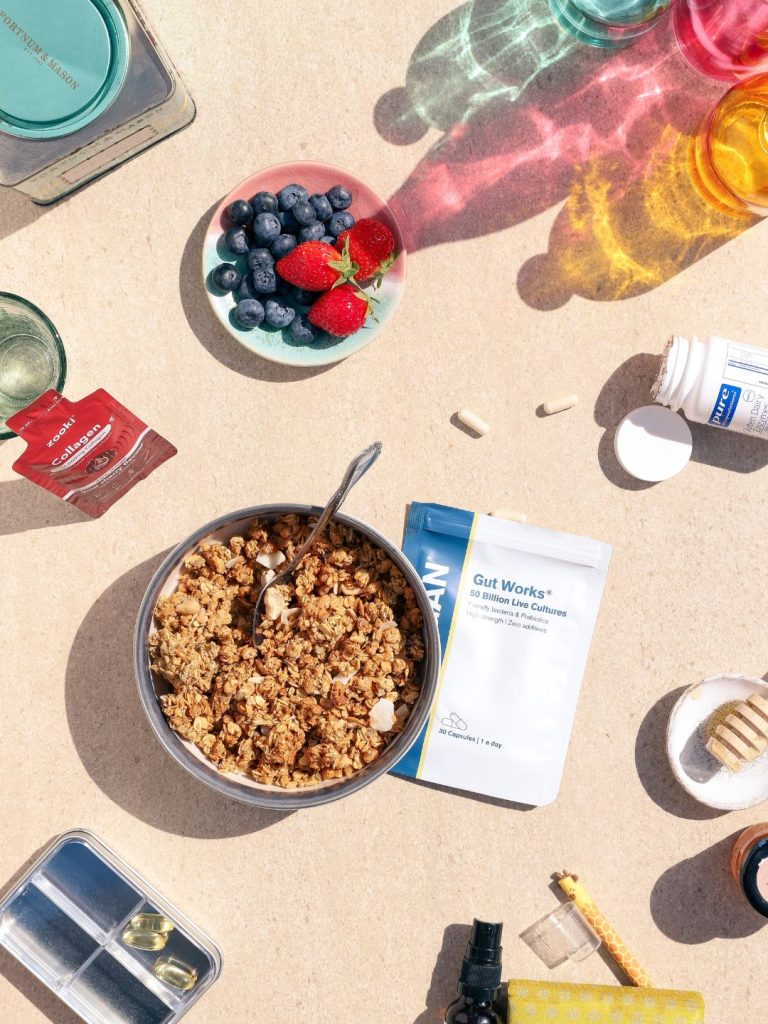
I strongly advice that you to find the root cause of your acne. This will allow you to treat it and clear your skin not just for now, but for life. Focus on a whole food diet rich in fibre and full of colourful fruits and vegetables. Then consider high quality supplements if you need extra support; fish oil has been shown to reduce inflammation (look for GMO free & at least 1000mg omega 3), zinc may reduce androgens (zinc picolinate is easiest to digest), and many people have found vitamin B5 (aka pantothenic acid) works to reduce acne. It might also be a good idea to take a probiotic to help colonise your gut with good bacteria.