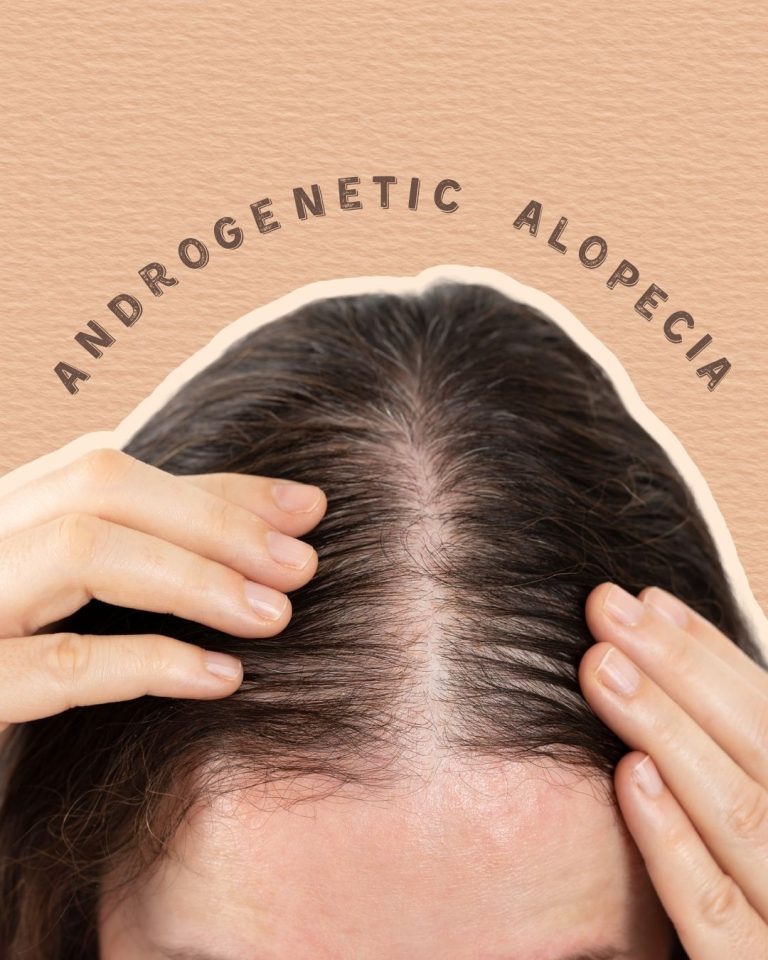
Losing your hair can be really distressing. Hair loss in women can have many underlying causes, including: stress, genetic predisposition (e.g. androgenetic alopecia), hormonal imbalances (such as elevated androgens in androgenic alopecia), hormonal changes (such as those following childbirth), thyroid disorders, autoimmune conditions, fungal scalp infections, chronic illness and nutrient deficiencies.
There are several nutrient deficiencies associated with hair loss, but every case is unique. It’s really important that you don’t randomly supplement just in case you’re deficient in a vitamin or mineral. Test before supplementing as sometimes too much of a nutrient can be just as problematic as too little. Prioritise dietary sources of nutrients wherever possible; you can’t out supplement a poor diet.
Protein
Hair is primarily made up of keratin, a protein that requires adequate dietary amino acids from protein for its production. Aim for around 1g of protein per kg of body weight per day, spread across meals, with approximately 20–30g per meal.
Sources of protein: meat, fish and seafood, eggs, tofu, tempeh, bean, legumes, Greek yogurt, cottage cheese.
Iron
Iron is essential for haemoglobin production, which enables red blood cells to carry oxygen to tissues, including the hair follicles. It also plays a key role in DNA synthesis and the growth and division of hair follicle cells. Low iron levels may therefore impair healthy hair growth and contribute to hair loss.
Low ferritin, a marker of the body’s iron stores, is significantly associated with hair loss in women, especially premenopausal women due to menstrual blood loss.
A 2023 study of 155 women experiencing hair loss found that 83.9% had nutrient deficiencies, with iron deficiency being the most common. The study defined iron deficiency as a serum ferritin level below 60 ng/mL.
In September 2026, the American Society of Haematology (ASH) published updated guidance recommending a ferritin threshold of ≤30 ng/mL to diagnose iron deficiency, rather than the previous ≤15 ng/mL threshold for adults. A welcome step towards recognising iron deficiency in women earlier.
Optimal ferritin levels to support hair growth are 70 ng/mL to 100 ng/mL.
! Always check your iron levels before supplementing.
Sources of iron include: red meat, offal, clams, oysters, lentils, kidney beans, black beans, edamame beans, dried figs, pine nuts, cashew nuts, blackstrap molasses.
Pair plant-based iron sources with a source of vitamin C such as citrus juice, bell peppers, tomatoes, broccoli, Brussels sprouts, potato, strawberries, kiwis, to aid iron absorption.

Suggested read – 7 science backed ways to increase your iron levels
Vitamin D
Hair follicles are hormone sensitive and vitamin D is more than just a vitamin; it’s a pro-hormone. A pro-hormone is a substance that your body converts into an active hormone. In the case of vitamin D, the liver converts it into calcitriol which is a steroid hormone that binds to receptors throughout your body influencing immunity, bone health, cardiovascular health, the endocrine system and hair health.
Vitamin D plays a role in regulating the hair growth cycle by interacting with vitamin D receptors (VDRs) in hair follicles. These receptors help regulate the growth and development of keratinocytes, the cells that form the hair shaft. Vitamin D also supports immune regulation and helps control inflammation.
Low vitamin D levels have been associated with androgenic hair loss. However, it is not yet clear whether vitamin D deficiency directly causes hair loss or whether supplementation improves hair growth in people who are not deficient.
Sources of vitamin D: sunshine, eggs yolks and oily fish. Some mushrooms can also provide vitamin D₂, particularly those that have been exposed to UV light. However, the evidence suggests that vitamin D₂ does not raise vitamin D status as effectively as vitamin D₃.
In the UK it is recommended that between October and March you supplement with vitamin D3. Optimal levels of vitamin D are 75 to 100 nmol/L.
B vitamins
B vitamins support the rapid cell division and energy production needed for healthy hair follicle growth. Folate (B9) and vitamin B12 are particularly important for DNA synthesis and cell division, while biotin (B7) is involved in the metabolism of fats, carbohydrates and amino acids.
Deficiencies in B2, B3, B5 and biotin (B7) are relatively rare. Despite the role B vitamins play in healthy hair growth, research investigating B-vitamin deficiencies and hair loss has produced inconsistent findings.
Some studies have found an association between low vitamin B12 levels and hair loss in women. Those who are vegetarian or vegan are at higher risk of B12 deficiency.
There is currently limited evidence that biotin supplements improve hair growth unless a true deficiency is present, despite biotin being a common ingredient in hair supplements.
Sources of B12: meat, poultry, fish and seafood, eggs, dairy, nutritional yeast fortified with B12, fortified plant milks.
Vegetarians and vegans should monitor vitamin B12 levels, as B12 is primarily found in animal-derived foods. Vegans are generally advised to supplement with B12, with the dose depending on whether a deficiency is present. I recommend B12 in the form of methylcobalamin or adenosylcobalamin, which are more bioavailable than cyanocobalamin.
Polyunsaturated fatty acids
In the skin, polyunsaturated fatty acids (PUFAs) help maintain healthy cell membranes and support cell growth. PUFAs support healthy blood circulation by dilating capillaries in the scalp, which improves the delivery of oxygen and nutrient to hair follicles. They also reduce inflammation which helps to calm an inflamed scalp and promote a healthier environment for hair to grow in.
In vitro studies (studies outside a living organism, i.e in glass) have found that gamma-linolenic acid (GLA) may inhibit the enzyme that converts testosterone to dihydrotestosterone (DHT). DHT is the androgen that can cause androgenic hair loss.
A 2015 randomised control trial found that 6 months of daily supplementation with omega 3, omega 6 and antioxidants (460 mg fish oil, 460 mg blackcurrant seed oil, 5 mg vitamin E, 30 mg vitamin C, and 1 mg lycopene) resulted in significant increase in hair density, reduction of the percentage of hairs in resting phase and increased percentage of hairs in growth phase. Photographs reviewed by experts saw a 62% increase in hair density for the supplement group, compared to 28.2% in the control group.
Sources of omega 3 and 6: oily fish (salmon, mackerel, anchovies, sardines, herring, trout), nuts, seeds, food-grade cold pressed blackcurrant seed oil, food-grade cold pressed evening primrose oil.
Antioxidants
Antioxidants help protect cells from oxidative stress, which has been linked to hair loss. Key nutrients include zinc, selenium, vitamins C and E.
Zinc deficiency is associated with brittle hair and diffuse hair loss (telogen effluvium). Low zinc levels have also been reported in people with androgenetic alopecia (male and female pattern hair loss).
Sources of zinc: oysters, crab, red meat (beef, lamb, pork), shrimp, eggs, dairy, legumes, tofu, tempeh, pumpkin seeds, sesame seeds, hemp seeds, cashews, pine nuts, peanuts.
Selenium is needed to produce glutathione peroxidase, an antioxidant enzyme that protects cells from oxidative damage. It also supports thyroid function by helping convert inactive thyroxine (T4) into active triiodothyronine (T3). Both underactive (hypothyroidism) and overactive (hyperthyroidism) thyroid conditions can cause hair loss. Selenium deficiency has been linked to loss of hair colour, but evidence linking it to hair loss is limited. Excess selenium can also cause diffuse hair shedding.
Sources of selenium: Brazil nuts, red meat, poultry, yellowfin tuna, sardines, shrimp, halibut, cod, salmon, eggs, cottage cheese, whole-wheat grains, brown rice, oats, firm tofu, sunflower seeds, portobello mushrooms.
Vitamin E: Research on its role in hair growth is limited. One small study found that supplementing with 100 mg daily for eight months increased hair count by 34.5%, compared with a 0.1% decrease in the placebo group.
Sources of vitamin E: almonds, sunflower seeds, hazelnuts, peanuts, avocado, spinach, mangoes.
Vitamin C enhances iron absorption, making it particularly important for people experiencing hair loss associated with iron deficiency.
As with iron, vitamin D and B vitamins, zinc and selenium supplements are most likely to help address hair loss when a deficiency is present.
Sources of vitamin C: citrus fruit, kiwi, guava, strawberries, blackcurrant, broccoli, Brussels sprouts, cabbage, bell peppers, tomatoes, potatoes.
Fermented foods
Emerging research is finding more opportunistic bacteria, especially Cutibacterium acnes, on the scalps of those with androgenic alopecia compared to healthy controls. This suggests the skin microbiome may play a role in hair loss. The microbes, like, C. acnes, living on the scalp can influence inflammation around the hair follicles. This inflammation could potentially contribute to the progression of androgenetic alopecia (female/male pattern hair loss).
Fermented foods: unsweetened yogurt with live cultures, kefir, aged cheeses, kimchi, sauerkraut, miso, fermented pickles, tempeh, natto, kombucha.
If you’d like personalised support with hair loss and targeted supplementation, I offer 1:1 nutritional therapy consultations.
References
Al-Fawaeir, S., & Al-Odat, I. (2025). Quantitative Analysis of Selected Circulating Hematological Biomarkers, Essential Minerals, Vitamins, and Thyroid Hormones in Females Affected by Hair Loss. Diseases (Basel, Switzerland), 13(11), 352. https://doi.org/10.3390/diseases13110352
Almohanna, H. M., Ahmed, A. A., Tsatalis, J. P., & Tosti, A. (2019). The Role of Vitamins and Minerals in Hair Loss: A Review. Dermatology and therapy, 9(1), 51–70. https://doi.org/10.1007/s13555-018-0278-6
Beoy, L. A., Woei, W. J., & Hay, Y. K. (2010). Effects of tocotrienol supplementation on hair growth in human volunteers. Tropical life sciences research, 21(2), 91–99.
Farah H.S., Hajleh M.A., Shalan N., Assial G.A., & Alqaisi, T. (2021). The association between the levels of Ferritin, TSH, Zinc, Hb, vitamin B12, vitamin D and the hair loss among different age groups of women: A retrospective study. Int. J. Pharm. Res. 13:143–148. doi: 10.31838/ijpr/2021.13.02.038.
Guo, E. L., & Katta, R. (2017). Diet and hair loss: effects of nutrient deficiency and supplement use. Dermatology practical & conceptual, 7(1), 1–10. https://doi.org/10.5826/dpc.0701a01
Gupta, A. K., Teasell, E. M., Liddy, A., & Economopoulos, V. (2026). Scalp Microbiome Alterations in Androgenetic Alopecia: Patterns and Emerging Mechanistic Insights. International journal of dermatology, 65(9), 1828–1837. https://doi.org/10.1111/ijd.70365
Lin, C. S., Chan, L. Y., Wang, J. H., & Chang, C. H. (2023). Diagnosis and treatment of female alopecia: Focusing on the iron deficiency-related alopecia. Tzu chi medical journal, 35(4), 322–328. https://doi.org/10.4103/tcmj.tcmj_95_23
Le Floc’h, C., Cheniti, A., Connétable, S., Piccardi, N., Vincenzi, C., & Tosti, A. (2015). Effect of a nutritional supplement on hair loss in women. Journal of cosmetic dermatology, 14(1), 76–82. https://doi.org/10.1111/jocd.12127
Malkud S. (2015). A Hospital-based Study to Determine Causes of Diffuse Hair Loss in Women. Journal of clinical and diagnostic research: JCDR, 9(8), WC01–WC4. https://doi.org/10.7860/JCDR/2015/14089.6170
Powers, J. M., Lim, M. Y., Achebe, M. O., Akpan, I. J., Auerbach, M., Brown, M. C., Cardenas, M. P., Cromwell, C., DeLoughery, T. G., Fleming, R. E., Fraga, M., Goshua, G., James, P. D., Lewkowitz, A. K., May, J. E., Nnadozie, G., Ogunnaya, F., Ruiz-Arguelles, G. J., Sholzberg, M., Van Doren, L., … Mustafa, R. A. (2026). American Society of Hematology 2026 guidelines for diagnosis of iron deficiency. Blood advances. Advance online publication. https://doi.org/10.1182/bloodadvances.2025015950
Rushton, D. H. (1993). Management of hair loss in women. Dermatologic clinics, 11(1), 47–53.